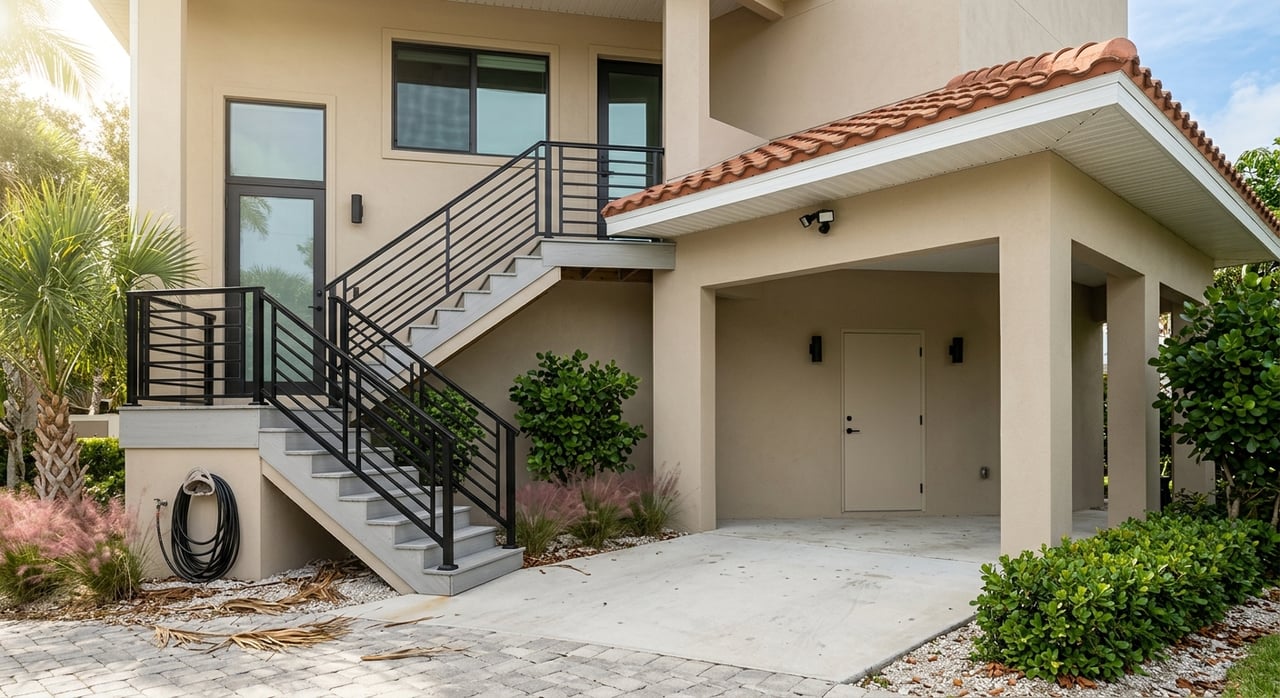
Anna Maria Vacation Rental Rules Every Buyer Should Know
May 28, 2026
May 28, 2026
Wondering if owning a vacation rental on Anna Maria Island is as simple as buying near the beach and listing the property online? For many buyers, the appeal is easy to understand: coastal lifestyle, income potential, and a property you can also enjoy yourself. But the reality is more detailed, because rules can change by city, zoning district, and even association documents. This guide will help you understand what to check before you buy, what ongoing responsibilities to expect, and how to think about ownership more clearly. Let’s dive in.
One of the biggest mistakes buyers make is thinking Anna Maria Island operates under one set of vacation rental rules. It does not. A property in Anna Maria, Holmes Beach, or Bradenton Beach may face a different local framework, even though all three are on the island.
Florida law sets the baseline by defining what counts as a vacation rental and limiting how local governments can regulate duration and frequency in many cases. Still, local municipalities actively regulate registration, safety, occupancy, parking, noise, and nuisance issues. That means the exact parcel location matters before you assume a nightly or weekly rental plan will work.
Under Florida law, a vacation rental is generally a qualifying condo, co-op unit, or a one- to four-unit dwelling rented more than three times in a calendar year for periods of less than 30 days, or advertised that way. That legal definition matters because it triggers licensing and compliance obligations.
For you as a buyer, the practical takeaway is simple. If you plan to use a property as a short-term or seasonal rental, you need to confirm that the home fits the legal classification and that you can meet both state and local requirements before you market it.
Buyers often search by beach access, views, or rental potential first. On Anna Maria Island, you also need to search by jurisdiction. Each city has its own code structure, and that can affect how easily you can operate, what paperwork you need, and what guest rules you must enforce.
In the City of Anna Maria, vacation rental regulation is focused on life safety and neighborhood compatibility rather than limiting the duration or frequency of rentals. The city requires an annual registration package that includes a DBPR transient public lodging license, Florida Department of Revenue registration, proof of a Manatee County Tax Collector account, and exterior and interior sketches.
A key point for buyers is that a new rental cannot be advertised or rented until written authorization is issued. So even if you close on a property that appears rental-ready, you should not assume you can list it immediately.
Holmes Beach is especially important if you are counting on frequent short stays. In certain residential contexts, the city code states that a dwelling or parcel may not be rented for fewer than seven consecutive days, and occupancy must be by the same individual or family.
The city also includes zoning districts that support more intensive transient or seasonal tourist lodging. That means the zoning district matters just as much as the general city name. If you are shopping in Holmes Beach, verifying the district should be part of your early due diligence, not a last-minute check.
Bradenton Beach also treats short-term rentals as a regulated category. The city says a short-term vacation rental must be registered with the State of Florida as a short-term rental while also obtaining a Transient Public Lodging Establishment license from the city.
For buyers, this means ownership here comes with city-specific licensing and enforcement expectations. It is another reminder that island-wide assumptions can create expensive surprises.
Before you think about furnishings, photos, or booking calendars, you need to understand the compliance side. On Anna Maria Island, legal operation usually starts with state licensing, local registration, and tax setup.
DBPR requires owners of new public lodging establishments, including vacation rentals, to obtain a license before operating. In practical terms, a property might be allowed under city code but still not be ready to advertise until the required state and tax registrations are complete.
Manatee County also adds an important tax obligation. The tourist tax on rentals or leases of six months or less is 13% total, made up of a 6% county tourist development tax and a 7% state sales and use tax. If you are estimating cash flow, this is one of the first numbers you should build into your planning.
Owning a vacation rental is not just about getting bookings. It is also about controlling how the property is used. On Anna Maria Island, city rules make that very clear.
In Anna Maria, occupancy is capped at the lesser of two people per qualifying bedroom plus two additional persons, or eight occupants total. The written rental agreement must also include the maximum occupancy, maximum number of vehicles, trash pickup days and times, the nearest hospital, and a lease addendum covering citywide solid-waste, sea-turtle, and noise rules.
These are not small details. They shape how you advertise the property, how many guests you can host, and how carefully you need to communicate expectations before check-in.
Island ownership comes with daily operating expectations that many first-time buyers underestimate. In Anna Maria, quiet time, including pool use, runs from 10 p.m. to 8 a.m. The city also emphasizes strict parking enforcement, sea-turtle lighting restrictions during nesting season, daily removal of beach furniture and trash, and garbage pickup compliance.
If you own from out of town, these rules matter even more. Complaints and citations often come from operating issues, not from the initial purchase itself. A home can be attractive and legally rentable, but still be difficult to manage if guest communication and on-the-ground oversight are weak.
City approval is only part of the picture. If the property is in a condo or association community, the recorded declarations, bylaws, and rules may still limit or prohibit short-term rentals.
This is one of the most important checks for buyers considering island condos or managed communities. A property can appear to work for a vacation rental strategy based on city rules, yet fail the association review. Before you rely on projected rental use, review the governing documents carefully.
Many buyers focus on purchase price and income potential first. In reality, successful vacation rental ownership on Anna Maria Island usually depends on understanding recurring costs and active management needs.
You should plan for items such as:
In Anna Maria, registration fees are occupancy-based. The city’s 2026 fee schedule begins at $400.80 for a four-occupant registration and increases with permitted occupancy. That type of fee structure is a good reminder that compliance costs rise with operating scale.
Anna Maria Island can be a strong fit if you want a coastal property and are comfortable with a hands-on ownership model. But it is important to be honest about the work involved.
Local rules point to the real operating burden: frequent turnover, quick response to complaints, parking control, waste handling, guest education, and seasonal compliance issues like turtle-safe lighting. In Anna Maria, the registration framework and rental agreement requirements also signal that owners need a reliable contact and response structure in place.
If you want a property that can produce income with minimal oversight, the island may feel more demanding than expected. If you value the lifestyle, understand the rules, and have solid local support, the ownership model may make much more sense.
If you are considering a vacation rental purchase on Anna Maria Island, a careful review upfront can save you time and money later. The goal is not just finding a beautiful property. It is finding one that matches your intended use.
Here is a practical checklist to use during your search:
That last point matters more than many buyers expect. A vacation rental on the island is easier to own when you have local help with property management, cleaning, maintenance, and guest-related issues.
If you want help evaluating rental potential property by property, the Suncoast Buying and Selling Team can help you look at the full picture, from purchase strategy to property management, cleaning, and maintenance support.
Stay up to date on the latest real estate trends.

The Suncoast Buying & Selling Team is solution-oriented, innovative, and purpose-driven. We are in this world to be connected, and so it is such a privilege to serve the community. We're here to assist you with your home selling, home buying, and real estate investment needs.