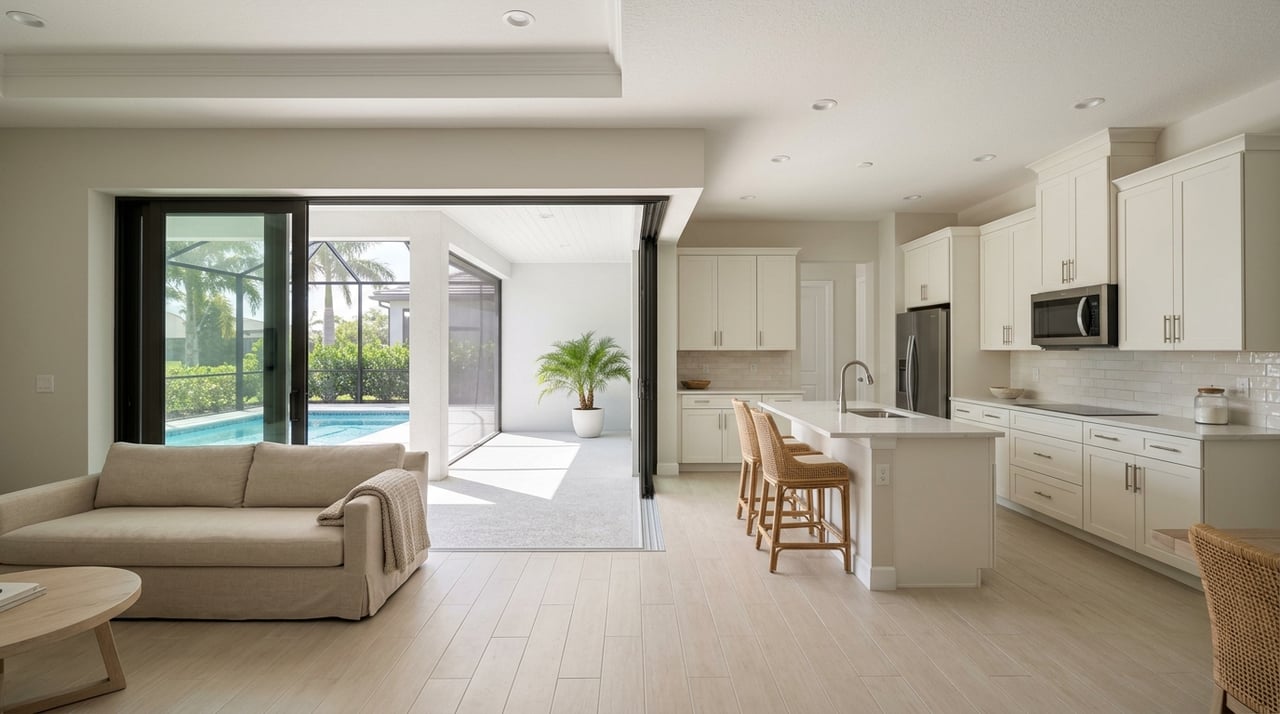
Lakewood Ranch Investing: From Purchase To Management
June 18, 2026
June 18, 2026
Are you thinking about buying an investment property in Lakewood Ranch but wondering what happens after the purchase? That is a smart question to ask up front, because in this market, your results often depend on much more than the listing price. If you want to make a confident decision, it helps to understand how property type, village rules, lease minimums, recurring costs, and day-to-day management all work together. Let’s dive in.
Lakewood Ranch is not a single neighborhood. It is a large master-planned community that spans Manatee and Sarasota counties and is home to more than 74,000 residents. The community was planned around homes, retail, restaurants, businesses, recreation, schools, and natural habitat, which supports year-round living and attracts a wide range of buyers and residents.
Location also plays a big role in demand. Lakewood Ranch sits east of I-75 with access from four interchanges, making it easier to reach Bradenton, Sarasota, St. Petersburg, and Tampa. It also offers convenient access to Sarasota-Bradenton International Airport, about 9 miles away, and Tampa International Airport, about 55 miles away.
That setting matters if you are investing for long-term tenants, seasonal occupants, or a second-home strategy with limited rental use. You are not buying into a market built mainly around short stays. County data show high owner-occupied housing rates in both Manatee and Sarasota counties, which points to a market with a strong residential foundation.
One of the biggest mistakes investors make is treating all of Lakewood Ranch the same. In reality, it works more like a collection of submarkets, each with different ownership costs, amenity packages, lease rules, and lifestyle appeal. What works for one investment plan may not work for another.
Before you make an offer, be clear about your goal. Are you looking for annual rental income, seasonal occupancy, or a low-maintenance second home that may be rented occasionally? Your answer should shape the type of property you target and the villages you consider.
Lakewood Ranch offers a broad mix of housing options. Current choices include condos, townhomes, attached villas, single-family homes, and custom homes. There are also maintenance-included options and 55+ communities in the mix.
Price points can vary widely by village and builder, from the high $200,000s into the $1 million to $3 million-plus range. That variety gives you flexibility, but it also means you need to look beyond the purchase price. A lower-maintenance home may reduce some operational work, but you should confirm exactly what the association covers before you move forward.
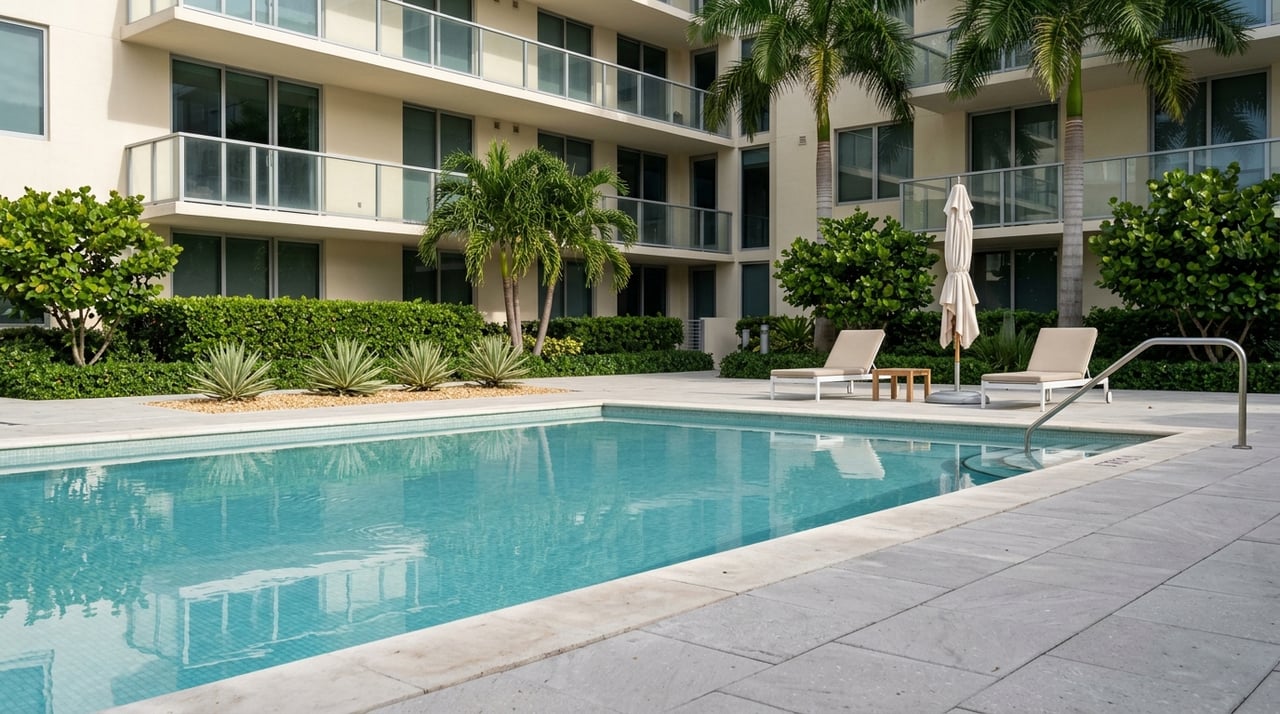
Cash flow in Lakewood Ranch depends on more than mortgage, taxes, and insurance. Many villages include amenities such as clubhouses, pools, fitness centers, golf, tennis, pickleball, dog parks, and restaurant or bar features. Those features can support renter appeal, but they also come with ongoing costs.
According to the community, HOA fees generally cover village amenities, common-area maintenance, some lawn care, and irrigation. Fees range from about $100 to $800 per month, with most falling between $200 and $300. There is also a Stewardship District fee that helps fund parks, trails, lakes, stormwater systems, road enhancements, and conservation areas.
If you skip these recurring costs when you run the numbers, your projected return may not match reality. A property that looks attractive on paper can perform very differently once you include every monthly and annual obligation.
In Lakewood Ranch, rental strategy starts with the rules. The community notes that rental options include apartments, townhomes, and single-family rentals. For traditional rental neighborhoods, leases typically start at 7 months.
That detail is important because many buyers assume they can rent more flexibly than village rules allow. The community also states that the minimum rental period is 30 days for most short-term and seasonal rentals, though many villages require longer terms. This means lease minimums can directly affect your income plan and occupancy model.
Before closing, confirm these items for the specific property:
This is one of the most important steps in the buying process. A property is only a good investment if you can use it the way you intend.
If you are considering stays of less than 30 consecutive days, Florida rules become especially important. The Florida Department of Business and Professional Regulation treats many units rented or advertised for fewer than 30 consecutive days as transient public lodging. Vacation rental licenses are issued by condo or dwelling classification.
Taxes matter too. The Florida Department of Revenue says counties may levy transient rental taxes on accommodations rented for six months or less, and both Manatee County and Sarasota County currently show a 6 percent local option transient rental tax. Because Lakewood Ranch spans both counties, you should verify the exact location of the property and the local tax and licensing setup before you buy.
This is where local guidance can save you time and help you avoid expensive assumptions. A home on one side of the community may have a different practical rental profile than a similar home in another village or county.
A smart investment purchase looks at more than square footage and finishes. In Lakewood Ranch, your decision should also reflect how easy the property will be to own, lease, and maintain over time. That is especially true if you live out of town or plan to use the home seasonally.
As you compare properties, ask practical questions such as:
These questions help you move from a simple purchase decision to a true ownership strategy.
Buying well is only half the equation. Once you close, consistent management becomes the key to protecting income and reducing stress. This usually includes marketing, screening, lease execution, rent collection, maintenance coordination, renewal management, and turnover cleaning.
For many owners, especially remote owners, this is where the investment either becomes smooth or starts to feel like a second job. Lakewood Ranch notes that most short-term and seasonal rentals are handled through property management companies. That reflects the reality that local coordination often matters just as much as the property itself.
A full-service local team can help keep leasing, maintenance, and turnover aligned with village rules and Florida requirements. That kind of support can be especially valuable if you want a more hands-off ownership experience.
Florida landlord-tenant law sets important standards for property owners after closing. Landlords are required to maintain the premises and, where applicable, keep structural components and plumbing in good repair. For units that are not single-family homes or duplexes, the law also addresses items such as pest control, locks, common areas, and garbage removal.
Security deposit handling is another area that requires attention. In general, a landlord has 15 days to return the deposit if no claim is made, or 30 days to provide written notice of an intended claim. If rent is not paid, Florida uses a 3-day notice period, and curable lease violations typically use a 7-day cure notice.
These deadlines are one reason good records matter. Move-in photos, inspection checklists, maintenance logs, and clear move-out accounting can support smoother management and fewer disputes.
Turnovers can affect both your income and your property condition. Whether you are handling annual leases or seasonal stays, every vacancy period creates a small window where details matter. Cleaning, repairs, inspections, and re-leasing all need to happen in the right order.
A strong turnover process usually includes:
If you plan ahead, turnovers become routine instead of disruptive. That can make a big difference in both owner experience and long-term property performance.
The best Lakewood Ranch investment is not always the biggest home or the one with the longest amenity list. It is the property that fits your ownership goals, budget, and management plan. In this community, the details around lease terms, association rules, county location, and recurring costs can shape returns more than buyers expect.
If you are looking for annual income, you may focus on neighborhoods that support longer leases and predictable carrying costs. If you want seasonal use, you will need to pay close attention to rental minimums, licensing, and turnover planning. If your priority is a low-maintenance second home, maintenance-included options may deserve a closer look.
The good news is that Lakewood Ranch offers enough variety to support different types of buyers. The key is making sure the property and the plan work together from the start.
If you want help finding the right fit and building a clear path from purchase to leasing and ongoing care, connect with the Suncoast Buying and Selling Team. Their local knowledge, leasing support, property management, maintenance, and cleaning services can help you move from investor interest to confident ownership.
Stay up to date on the latest real estate trends.
The Suncoast Buying & Selling Team is solution-oriented, innovative, and purpose-driven. We are in this world to be connected, and so it is such a privilege to serve the community. We're here to assist you with your home selling, home buying, and real estate investment needs.