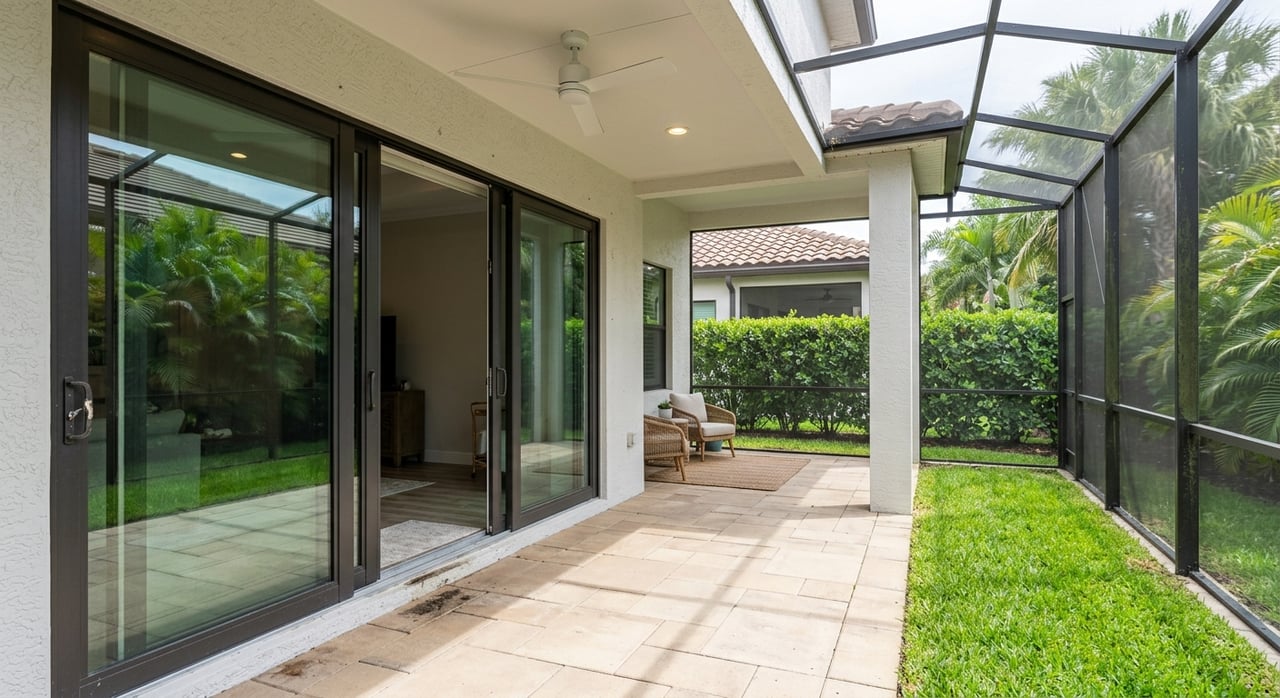
Turnkey Property Management In Bradenton: What To Look For
June 4, 2026
June 4, 2026
If you own a rental in Bradenton, "turnkey" should mean more than finding a tenant and collecting rent. You want a manager who can protect your time, keep your property running, and handle the Florida rules that shape every lease. This guide will show you what turnkey property management in Bradenton should include, what questions to ask, and which warning signs to watch for before you hire anyone. Let’s dive in.
In Bradenton, turnkey property management should mean a full-service relationship. That includes tenant screening, maintenance coordination, lease enforcement, and regular financial reporting, not just marketing the home and handing over the keys.
A strong manager should also bring local market knowledge, experience with similar property types, and clear written agreements. If you own a long-term rental, seasonal property, or vacation-oriented investment in the Bradenton area, that local experience matters because your manager needs to understand both daily operations and Florida-specific compliance.
When you compare property managers, look for a service package that covers the full ownership cycle. A true turnkey setup should make the property easier to own, not create more follow-up for you.
A strong property manager should help you set local pricing, market the property, collect written applications, verify applicants, and prepare a clear lease package. Screening should be consistent and fair-housing compliant, with policies applied the same way to every applicant.
This part matters because a rushed placement can create bigger problems later. Good leasing is not just about speed. It is about documentation, consistency, and choosing a process that supports a smoother tenancy.
You should expect move-in and move-out evaluations, periodic inspections, dated photos, and written condition reports. These records help create a clear timeline of the property’s condition and can reduce confusion if damage or deposit questions come up later.
In practical terms, this gives you better visibility, especially if you live out of town or own the property as an investment. Without written reports and photos, it becomes much harder to track wear, maintenance needs, and lease compliance.
Turnkey management should include access to a local vendor network, prompt repair response, and clear rules about repair approvals. You should know who handles maintenance calls, how after-hours issues are addressed, and when you will be contacted for authorization.
For many owners, this is where the value becomes obvious. A manager with strong local operations can coordinate repairs, turnover work, and cleaning without forcing you to chase vendors or manage every issue yourself.
You should receive monthly owner statements, accurate deposit accounting, and regular written financial reporting. The management agreement should clearly spell out what the manager handles, how funds are tracked, and what fees apply.
This is especially important in Florida because deposit handling comes with specific legal requirements. If a manager cannot clearly explain how deposits, reserve funds, and post-move-out claims are handled, that is a sign to slow down.
A capable Bradenton property manager should be able to explain how they handle recurring Florida requirements. That includes security deposit procedures, required notices, termination timelines, and written disclosures that apply at the start of a tenancy.
If the lease term is one year or longer, flood disclosure may also be required. That matters in Bradenton because the city notes that some local areas are prone to flooding from heavy rain and river conditions, and Bradenton participates in the National Flood Insurance Program.
A turnkey manager in Bradenton needs more than customer service skills. They need a working understanding of Florida landlord-tenant rules and how those rules affect your property operations.
Florida preempts many local landlord-tenant rules. That means the state controls important items like screening practices, deposits, fees, disclosures, notice requirements, and landlord-tenant rights and duties.
For you as an owner, this means your manager should be able to explain Florida processes clearly and consistently. If someone relies on vague local custom instead of state law, that can create risk.
Florida law requires landlords to maintain the premises and keep certain property components in good repair when applicable. When repairs are needed, entry generally requires reasonable notice, which Florida defines as at least 24 hours, given at a reasonable time between 7:30 a.m. and 8:00 p.m.
A professional manager should have a clear process for maintenance scheduling, tenant communication, and vendor access. This protects both the property and the tenancy relationship.
Florida has strict rules for handling security deposits and advance rent. Those rules include separate handling requirements, written disclosures, and deadlines for claims or returns after move-out.
This is one of the easiest places for an inexperienced manager to make mistakes. Ask exactly how deposits are held, documented, and processed when a tenant leaves.
At or before the start of the tenancy, the landlord or authorized person receiving notices must disclose a name and address in writing. Florida also sets notice periods for ending certain tenancy types, including 30 days for month-to-month tenancies, 60 days for year-to-year tenancies, and 7 days for week-to-week tenancies.
Your manager should be able to explain how these notices are prepared and tracked. A missed timeline can lead to delays, confusion, and avoidable costs.
Bradenton property management also needs a practical plan for storms and flooding. If your property is in an area affected by heavy rain or river conditions, your manager should be ready to address emergency communication, property checks, and vendor coordination.
This does not mean every property carries the same risk. It means your manager should be prepared with a local response plan that fits Bradenton conditions.
The right interview questions can tell you a lot about whether a manager is organized, transparent, and prepared for Florida operations. Here are some of the most useful ones to ask.
If you own a short-term vacation rental inside Bradenton city limits, add one more question. Ask how the company handles the city’s Certificate of Registration and inspection-based registration process.
Many owners focus first on the monthly management percentage. That number matters, but it is only part of the picture.
You should ask for the full fee stack. Find out whether the base fee covers only monthly oversight or if you will also pay separate charges for leasing, renewals, inspections, maintenance coordination, eviction administration, vacancies, setup, or cancellation.
It is also smart to ask whether fees are based on collected rent or scheduled rent. A clear answer helps you compare companies more fairly and avoid surprises later.
Some problems show up early if you know what to look for. A few red flags can save you from a frustrating management relationship.
If the agreement is unclear about markups, repair approvals, renewals, or cancellation terms, proceed carefully. A solid manager should be able to explain fees and responsibilities in plain language.
If a company cannot provide sample owner statements, inspection reports, or a written management agreement, that is a concern. Good systems usually leave a paper trail.
If a manager seems unsure about Florida deposit rules, required disclosures, notice periods, or fair housing practices, that is a serious issue. Compliance is not an extra service. It is part of the job.
Be cautious if a company promises legal, accounting, construction, or contracting services beyond its expertise or licensure. A professional manager should stay within their role and explain where outside professionals may be needed.
Property management is not just administrative. It is local.
A Bradenton-area manager should understand rental expectations, vendor responsiveness, storm preparation, and the practical workflow around Manatee County eviction filings. In Manatee County, most tenant eviction proceedings are filed in County Civil, so local familiarity with that process and the required documentation can make a real difference when issues arise.
That local knowledge is especially valuable if you are an out-of-town owner, second-home owner, or investor trying to keep ownership simple. The goal of turnkey service is peace of mind, and that usually comes from strong local systems backed by clear communication.
The best turnkey property management company for your Bradenton rental is not always the cheapest. It is the one that combines clear communication, written processes, local operational strength, and a solid grasp of Florida requirements.
As you compare options, focus on the basics that protect your property and your time. Ask for specifics, read the agreement carefully, and choose a team that can explain how they handle leasing, maintenance, reporting, deposits, notices, and local challenges without talking around the details.
If you want a single local partner to help with leasing, property management, maintenance, and day-to-day ownership support in the Bradenton and greater Suncoast area, connect with the Suncoast Buying and Selling Team.
Stay up to date on the latest real estate trends.



The Suncoast Buying & Selling Team is solution-oriented, innovative, and purpose-driven. We are in this world to be connected, and so it is such a privilege to serve the community. We're here to assist you with your home selling, home buying, and real estate investment needs.